
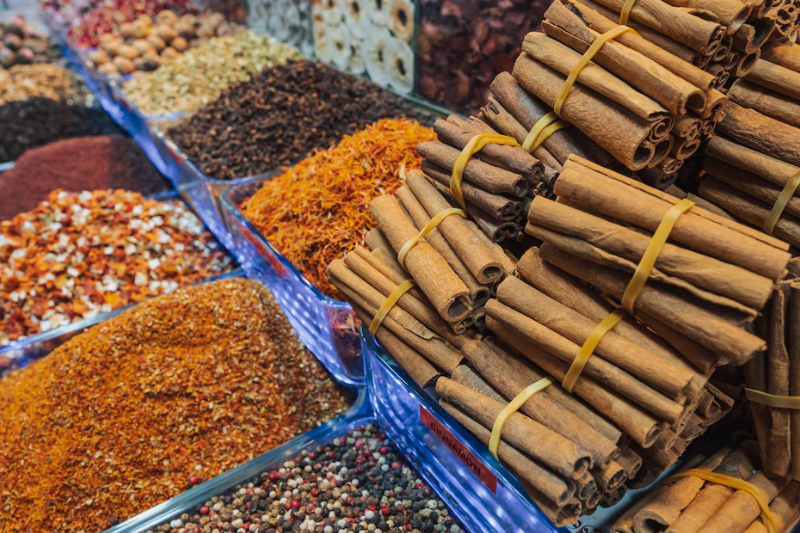
Selecting an appropriate whole spice vendor is a key move among the food brands, exporters, restaurants and manufacturers. By 2026, consumers have become more educated, regulation is stronger and quality demands are needed more than ever. A consistent supplier will save your product quality, brand image and profitability in the long run.
Know What You Need in Business
Get yourself straight before shortlisting any supplier. Determine the kind of whole spices to be bought, quantities, grades, and frequency of delivery. There are businesses which require big bulk orders whereas there are those which specialize in niche or high-end versions. Being aware of your needs will make you not to spend too much money and will facilitate supply chain planning.
Quality Standards and Certifications of Checks
In the spice business, there is no negotiating on quality. The entire spices should not have adulteration, pests and excess moisture. By 2026, the majority of buyers worldwide will be inclined towards suppliers that adhere to internationally recognized standards related to food safety like ISO, FSSAI, or HACCP, or any other compliance and certification based on the market. Based on industry statistics, those companies that deal with certified suppliers have less rejection and quality challenge when they are being audited and exported.
Assess Sourcing and Traceability Practices
A reliable wholesaler of spices must be honest about their origin and source of spices. The issue of traceability has been necessitated by increasing food safety concerns. Directly working with farmers, or built-in procurement networks tend to be more consistent and accountable to the suppliers. This also benefits in making sure that they source ethically and adhere to the principles of sustainability that are very important to many buyers today.
Evaluate Processing, Storage, and Packaging
The cleaning, drying, storing and packing of spices have direct influence on the aroma, color and shelf life of spices. Poor storage may cause molds or the disappearance of the important oils. Enquire suppliers on their processing plants, hygiene and packaging techniques. Controlled humidity and temperature in modern storage aid in the reduction of the risk of spoilage and contamination.
Market Knowledge, Logistics and Reliability
Quality of the products is not as important as timely delivery. The supply delays of spices may cause inconveniences in the production schedule and cost. Depending on your business, select a supplier who has good logistics and has experience on shipping within a country or internationally. This can also be done by the suppliers who are aware of the market trends, crop cycles, and prices changes so that you can be able to plan your purchasing better and prevent sudden shortages.
Pricing Transparency and Long-term Consistency
Competitive prices are important but very low prices may be an indicator of compromised quality. An excellent whole spice supplier will give clear pricing that is associated with quality, seasonality, and market dynamics. Longevity is better than short-term savings, particularly in a business that builds its brand loyalty.
Conclusion
To choose a proper whole spice supplier in 2026, it will be necessary to use a balanced strategy that involves taking into account quality, traceability, reliability, and ethical activity. Companies which take time to assess their suppliers are more likely to retain the integrity of their products and fulfilling the dynamic consumer demands. This informational guide is in line with sourcing values that are pursued by Triveni Group, an agro products supplier that focuses on structured procurement and quality-oriented supply chains.