DOC or mustard de-oiled cake is a waste-product that is created after the removal of mustard oil seeds by extraction. Its application in animal nutrition has been increasing steadily over the past years after decades of its application in agriculture. As the cost of feed increases and livestock feeding in balanced diets receives increased attention, the mustard DOC has been put into the limelight as a viable and nutritionally enriched feed substance.
Nutritional Value Mustard DOC
The high nutritional value of mustard DOC has become one of the primary reasons why it has become the most commonly used types of animal feed. It is a good source of plant protein that typically has a range of 35-40 percent that promotes muscle growth and general development of animals. Besides protein, mustard DOC has valuable amino acids essential in producing milk and gaining weight.
Other minerals that are abundant in mustard DOC include calcium, phosphorus and magnesium. These minerals ensure that the bone remains strong, the digestion is enhanced, as well as metabolism in cattle and poultry. The natural fats in small amounts in the cake also contribute to its energy value thus making it suitable in the daily feed formulations.
Mustard DOC in Animal feed
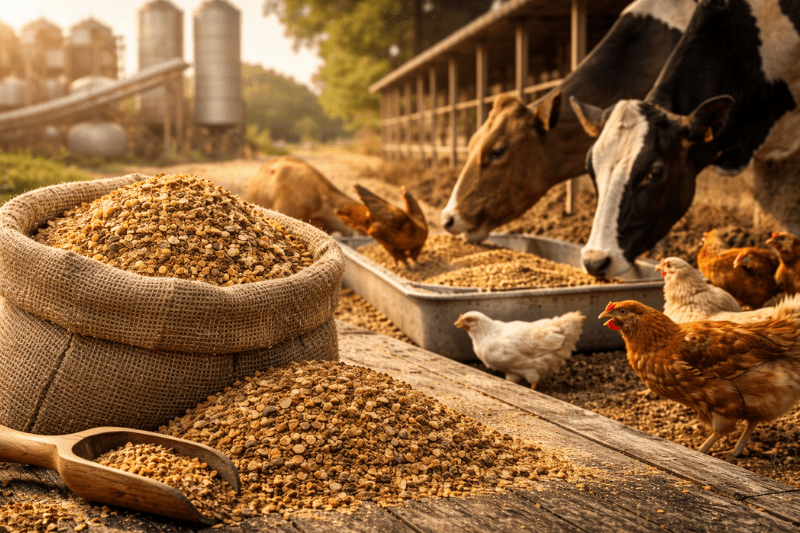
Under animal feed, mustard DOC is widely employed in the case of dairy cattle, buffaloes, sheep, and goats. In the correct proportion it assists in increasing milk output and also increases the quality of milk fat. It is also favored by the farmers as it is perfectly compatible with other types of feeds such as the grains and fodder.
In the case of poultry, mustard DOC is applied in low amounts because of its fiber content, although it can be of beneficial nutrients when used in the right proportions. The feed should be safe and effective to the various animals and to accomplish this proper processing and quality control is needed.
Increased Significance in Farming today
What is raising the demand for mustard DOC is the supply and affordability. It is locally produced in large quantities in India as compared to many imported sources of protein and is therefore readily available to the farmers. Its application also promotes sustainable agricultural activities through less wastage of oil mining.
As people become more knowledgeable about animal health and productivity, farmers are becoming more concerned with quality and less with quantity of feed. Mustard DOC is quite appropriate to this change because it provides food as well as financial benefits.
Conclusion
Mustard DOC has turned out to be a key ingredient in animal feed because of its richness in protein, some of the essential minerals, and general nutritional value. The reason behind its increasing application is because the modern world of agriculture requires balanced, affordable and sustainable feed solutions. With the constantly evolving ways of farming, mustard DOC will probably be a consistent option in the health and productivity of livestock.
On the other end of the supply chain, other firms such as Triveni Group are involved in making sure that agro-based feed products such as mustard DOC are of a good quality and are made available in the market efficiently thereby leading to consistent growth in the animal nutrition industry.