Long Pepper, popularly known as Pippali, has been valued for centuries in Ayurveda and traditional medicine for its therapeutic properties and distinctive flavour. Although it belongs to the pepper family, it differs from black pepper in appearance, taste, and medicinal applications. Today, Long Pepper is gaining renewed attention as consumers increasingly prefer natural herbs, plant-based ingredients, and traditional wellness products. Beyond its culinary use, it has found applications in pharmaceuticals, nutraceuticals, cosmetics, and food processing. Understanding its traditional significance, health benefits, and industrial uses helps individuals and businesses appreciate why this ancient spice continues to remain relevant in modern industries.
What is Long Pepper (Pippali)?
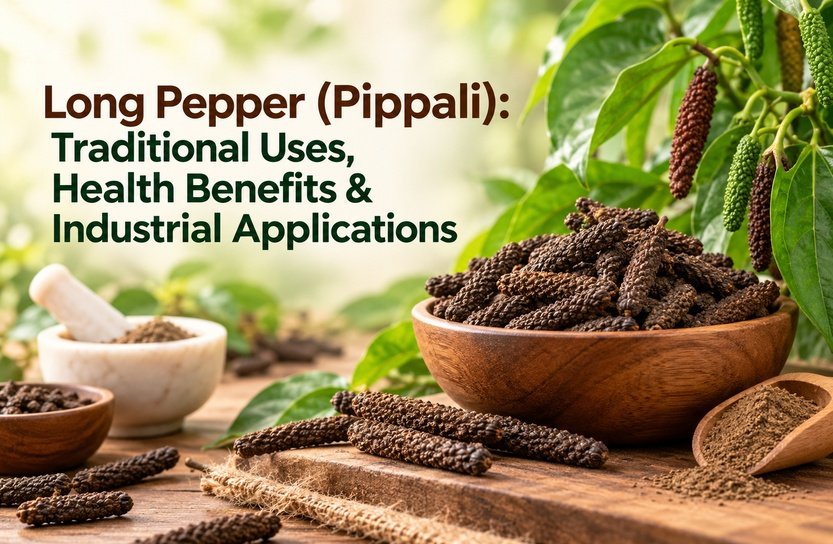
Long Pepper (Piper longum) is a flowering vine cultivated mainly for its fruit, which is dried and used as a spice and herbal ingredient. It has a slender, cylindrical appearance and offers a warm, earthy flavour with mild pungency. In Ayurveda, Pippali is considered an important medicinal herb and is commonly included in various herbal formulations to support digestion, respiratory health, and overall wellness.
Unlike ordinary black pepper, Long Pepper has traditionally been valued more for its medicinal properties than its culinary use, making it an essential ingredient in many herbal preparations.
Traditional Uses of Long Pepper
For thousands of years, Long Pepper has been an integral part of Ayurvedic medicine and traditional healing practices. It has been widely used to promote digestive health, improve respiratory function, and enhance the body’s natural vitality.
Traditionally, Pippali has been combined with ingredients such as honey, ghee, milk, and herbal decoctions to prepare remedies for seasonal coughs, sore throats, and digestive discomfort. Ayurvedic practitioners also consider it a bioavailability enhancer, meaning it may improve the absorption of certain herbs and nutrients when used in formulations.
Its long-standing use in traditional medicine highlights its importance as one of India’s most respected medicinal spices.
Health Benefits of Long Pepper
Long Pepper contains naturally occurring compounds such as piperine and other bioactive constituents that contribute to its medicinal value. Although research is still evolving, several studies suggest that it may offer multiple health-supporting properties when consumed appropriately.
Supports Digestive Health
Long Pepper has traditionally been used to stimulate digestive enzymes and support healthy digestion. It may help improve appetite and promote better nutrient absorption.
Promotes Respiratory Wellness
Pippali has long been included in Ayurvedic formulations designed to support respiratory health. It is commonly used during seasonal weather changes to help maintain respiratory comfort.
Rich in Antioxidants
Natural antioxidants present in Long Pepper may help protect the body against oxidative stress caused by free radicals, supporting overall cellular health.
Supports Metabolism
Some research suggests that Long Pepper may assist in maintaining a healthy metabolic function when consumed as part of a balanced lifestyle.
May Support Immunity
Traditional herbal systems have used Long Pepper to strengthen overall wellness and support the body’s natural immune response.
Note: Long Pepper should be consumed in moderation. Individuals using it for medicinal purposes should seek guidance from a qualified healthcare professional.
Industrial Applications of Long Pepper
The commercial importance of Long Pepper extends far beyond traditional medicine. Its natural properties have made it a valuable ingredient across several industries.
|
Industry |
Application |
|
Pharmaceuticals |
Ayurvedic medicines, herbal formulations |
|
Nutraceuticals |
Dietary supplements and wellness products |
|
Food Industry |
Spice blends, seasoning, specialty foods |
|
Cosmetics |
Herbal skincare and personal care products |
|
Herbal Products |
Traditional wellness formulations |
As demand for natural ingredients grows globally, Long Pepper continues to gain recognition as a versatile botanical resource.
Why Long Pepper is Becoming Popular Again
Growing consumer awareness about herbal wellness and plant-based products has significantly increased the demand for Long Pepper. Modern consumers are actively seeking ingredients with traditional roots and scientifically supported health benefits.
Several factors contributing to its popularity include:
- Rising demand for natural herbs
- Growth of the Ayurvedic wellness industry
- Increased use in nutraceutical products
- Expansion of herbal cosmetics
- Consumer preference for clean-label ingredients
These trends have created new opportunities for growers, manufacturers, exporters, and herbal product companies.
Long Pepper Cultivation in India
India remains one of the important producers of Long Pepper, with cultivation primarily taking place in tropical and subtropical regions. Sustainable farming practices, proper harvesting methods, and careful post-harvest processing are essential for maintaining product quality.
As export demand continues to grow, maintaining purity, consistency, and quality standards has become increasingly important. Researchers and agricultural experts are also exploring improved cultivation methods to enhance productivity while preserving the plant’s medicinal properties.
Choosing High-Quality Long Pepper
When purchasing Long Pepper for personal or commercial use, consider the following factors:
- Uniform size and appearance
- Natural aroma
- Proper drying and processing
- Minimal impurities
- Reliable sourcing
- Hygienic packaging
High-quality raw materials ensure better flavour, longer shelf life, and improved performance in both food and herbal applications.
Conclusion
Long Pepper (Pippali) remains one of the most valuable traditional medicinal spices due to its rich heritage, diverse health benefits, and expanding industrial applications. From supporting digestive and respiratory wellness to serving as an important ingredient in pharmaceuticals, nutraceuticals, food products, and herbal cosmetics, its importance continues to grow worldwide. As industries increasingly adopt natural and plant-based ingredients, the demand for premium-quality Long Pepper is expected to rise further. Triveni supports businesses by supplying quality herbal ingredients while promoting awareness of traditional botanicals and their growing role in modern wellness and industrial applications.
Frequently Asked Questions
1. What is Long Pepper (Pippali)?
Long Pepper, also known as Pippali, is a traditional medicinal spice widely used in Ayurveda. It is valued for supporting digestion, respiratory wellness, and herbal formulations while also serving various food and industrial applications.
2. What are the main health benefits of Long Pepper?
Long Pepper contains piperine and antioxidants that may support digestion, metabolism, respiratory health, immune function, and overall wellness. It should always be consumed in moderation and preferably under professional guidance.
3. Where is Long Pepper used in industries?
Long Pepper is widely used in pharmaceutical, nutraceutical, herbal, cosmetic, and food industries. It is commonly included in herbal medicines, dietary supplements, spice blends, and natural skincare products.
4. Is Long Pepper the same as black pepper?
No. Although both belong to the pepper family, Long Pepper differs in shape, flavour, and traditional medicinal applications. It has been extensively used in Ayurvedic formulations for centuries.
5. Can Long Pepper be consumed daily?
Long Pepper may be consumed in small culinary quantities as part of a balanced diet. However, regular medicinal use should always be discussed with a qualified healthcare professional.